
 INSYGMA NUTRITION
Product science / Zinc
Zinc · alone or with copper, by mouth
The science of zinc
What the studies measured and what they found.
Randomized trials only
In the trials: better sense of taste, shorter colds with lozenges and shorter diarrhea in children.
To find out what the supplement does, the only useful studies are those in which chance decides who takes zinc and who takes an identical capsule without zinc. This page counts only those, with zinc taken by mouth. Many trials were done in children in low- or middle-income countries.
- 10 of 66
- benefits graded A or B
- 33 of 66
- results with no clear effect or with varied results
What is best confirmed
- AWell proven Diarrhea clears faster Children over 6 months, 6 trials 27% fewer by day 7
- BGood results Better sense of taste 12 trials, 938 people with loss of taste About 38% more improvements
- BGood results Fewer depression symptoms Together with an antidepressant, 4 trials Small decrease
Zinc / Evidence in humans
How to read the grades, arrows and counts
The arrow shows the direction of the measure: down when the measure fell, for example diarrhea. It turns green when the change is an improvement. When the size was assessed, 1, 2 or 3 filled arrows mean a small, moderate or large effect. The = sign means no clear difference.
Few studies: only 1 or 2 controlled trials measured this result. Mixed results: the trials disagree.
When sorting by effect, the result with the largest magnitude in each topic counts. In a tie, the better grade of that result counts first, then alphabetical order. “Largest improvement with zinc” considers benefits in comparisons where the effect of zinc can be isolated. “Largest measured effect” also includes markers and combined treatments.
The grade says how well it works: A, it works and is well studied; B, good results; C, few studies (only 1 or 2 controlled trials measured this result) or mixed results (the trials disagree); D, no clear effect. For safety, A and B mean it does not increase risk, C that there are doubts and F that it increases risk. The grade comes from fixed rules: the size of the effect in the main review, the number of trials and people, and the agreement between trials.
The three arrows point in the direction of the measure. For example, a shorter walking time points down. When the record documents the magnitude, one, two or three dark arrows correspond to a small, moderate or large effect. For other changes, one dark arrow shows only the direction. For standardized mean differences, the descriptive benchmarks are 0.2, 0.5 and 0.8 in absolute value.
The = sign means the test did not detect a difference. “Varied results” means the results diverged between studies, tests or time points. For case reports, the table states what was observed. The counts are of publications; one trial can give rise to several articles.
The records summarize the full text of each article; those that could only be based on the abstract say so under limitations. This is a targeted selection of up to 150 publications, not a new systematic review. Of the 101 study entries in the results (one study can appear in more than one), 100 come from fixed rules: the largest trials for each result, one publication per trial, and trials with 1,000 or more people. The other one is a recorded editorial choice.
| Topic | Measured result | Grade | Effect | Evidence |
|---|
Zinc and copperHigh doses over a long time That is why this product adds copper See details
Why does copper matter?
In 3 trials with 1,337 children, copper deficiency was more frequent with zinc alone, and blood copper fell slightly. That is why this product adds copper to the zinc. There are also isolated case reports of severe copper deficiency, with anemia and tingling in the feet, in people who took high doses of zinc for about 2 years; they improved after stopping zinc and taking copper. They show what can happen, not how often.
Do not add other zinc supplements to this one without talking to your doctor.
See the safety studiesNausea and vomitingRight after taking it Mild and short-lived See details
What was seen in the trials?
In 4 trials with 35,192 children, there was more vomiting with zinc, almost always just once and right after taking it, with no serious effects. In a trial in Bangladesh, the first dose made 26.0% of children vomit, versus 12.0% with placebo.
If it makes you feel sick, take the capsule after a meal.
See the safety studiesLozenges or capsules?Colds The effect comes from lozenges See details
Which zinc shortened colds?
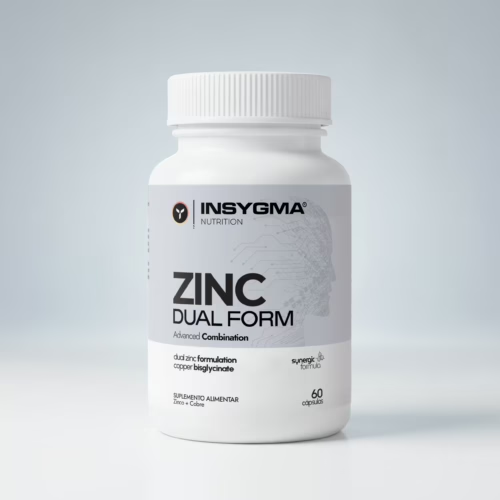
Shorter colds were seen with zinc lozenges that are left to dissolve in the mouth, with more than 75 mg a day. Zinc swallowed to prevent colds had little or no effect. This product comes in capsules, with 25 mg of zinc per capsule.
See the cold studiesBisglycinate and picolinateThe form of zinc Few trials compare the forms See details
Is one form better absorbed?
In a trial with 15 healthy volunteers, only zinc picolinate raised zinc in hair, urine and red blood cells in 4 weeks; with gluconate or citrate there was no clear change. The comparison was made against the start of each period.
See the studies on the formsFrequently Asked Questions
Does it help with colds?
With lozenges, they were about a third shorter.
In a review of 7 trials, zinc lozenges (acetate or gluconate), with more than 75 mg a day, shortened colds by 33%, but the trials varied a lot. Zinc swallowed to prevent colds had little or no effect.
See the cold studiesDoes it boost the immune system?
In children, there was slightly less pneumonia.
In the Cochrane review, daily zinc reduced pneumonia in young children by about 13%. In older adults and in COVID-19, the trials saw no clear difference.
See the infection studiesDoes it improve taste?
Yes, more often than placebo.
In a review of 12 trials with 938 people with loss of taste of unknown cause or due to zinc deficiency, taste improved more often with zinc, about 38% more.
See the taste studiesDoes it help mood?
Together with an antidepressant, a little.
In a review of 4 trials in people with depression taking an antidepressant, adding zinc lowered symptoms a little. In healthy people, mood did not change.
See the mood studiesIs it safe?
Yes.
Zinc is a mineral found in food. In the trials, the most common side effect was vomiting once, right after taking it. With high doses of zinc alone over a long time, copper can fall: that is why this product adds copper. Do not add other zinc supplements without talking to your doctor.
See what is knownINSYGMA Labs · 11 November 2026 · Back to top ↑