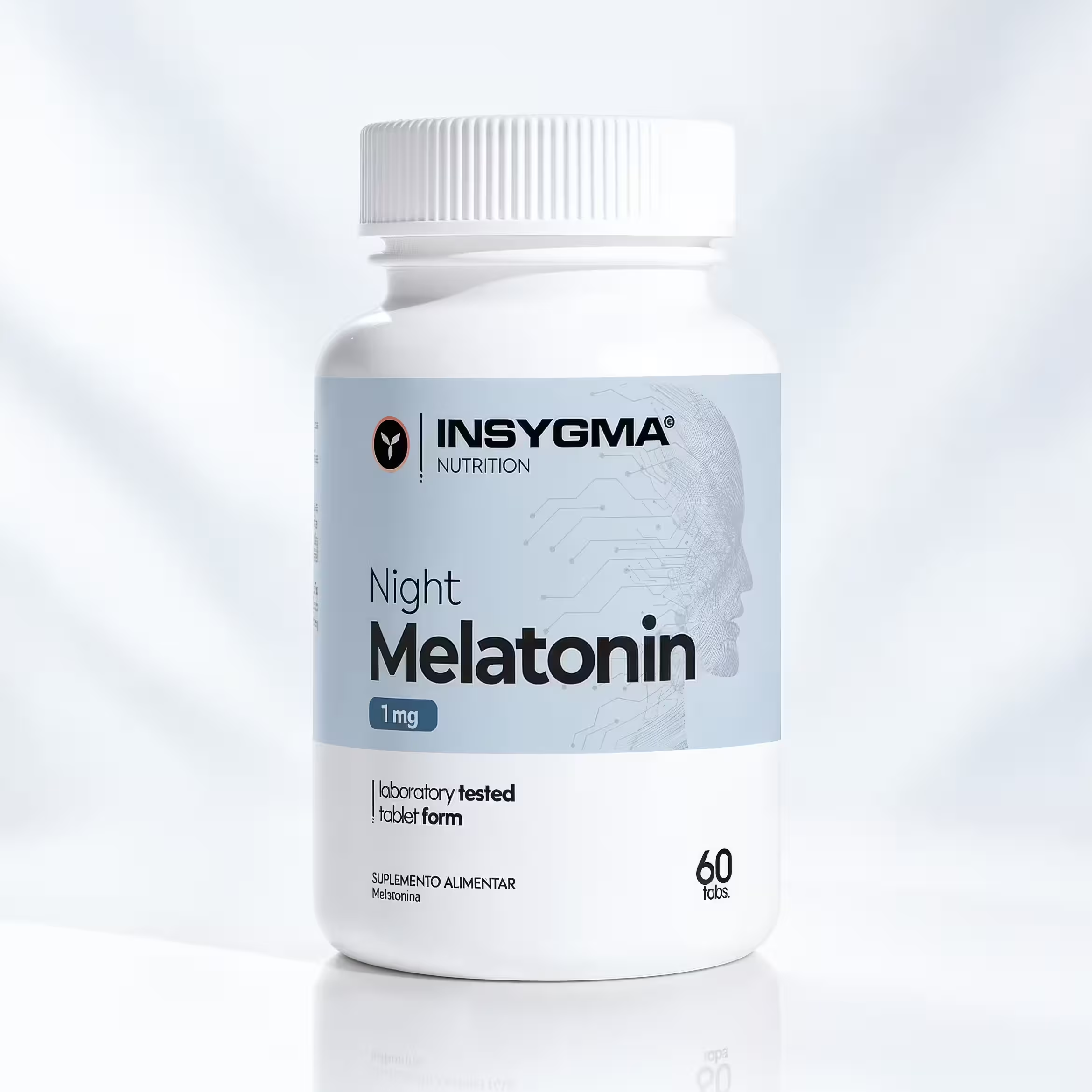
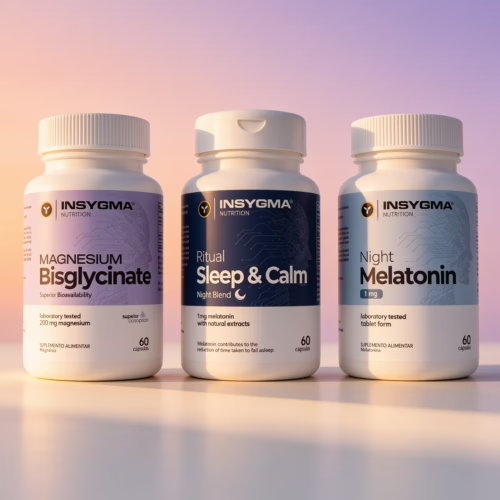
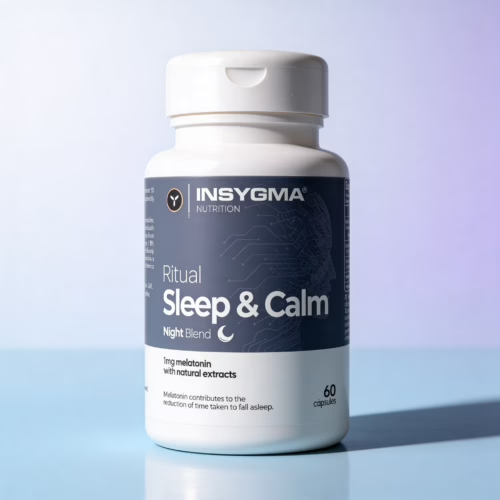
Simply put, melatonin is a natural substance produced by a small gland in our brain (the pineal gland). It acts as the "conductor" of our biological clock, telling the body that it is nighttime, slowing metabolism, and beginning the tissue-repair process.
The impact of age: As the years pass, and because of modern lifestyles and constant exposure to screens, production of this hormone drops sharply. That is why, from our 40s and 50s onward, sleep becomes lighter and the body loses some of its natural ability to regenerate at night, making supplementation a smart daily health strategy. 1 2
Why Melatonin Is Much More Than a Sleep Supplement
Melatonin is widely known as the "sleep hormone," but modern science shows that its role in our body goes much deeper. Especially after age 45, when our natural production drops sharply, supplementation becomes an essential ally not only for rest, but also for protecting the body at the cellular level.
THE MASTER ANTIOXIDANT
In addition to regulating rest, melatonin acts as one of the most powerful antioxidants in the human body, being 4x more powerful than Vitamin C in neutralizing oxidative stress, making it an extraordinary nighttime defense against cellular aging. 3
The Truth About Blue Light: Sleep Is Not the Only Thing You Lose
In the modern age, we spend our evenings in front of televisions, phones, and tablets, under artificial light. What many people do not realize is that blue light from screens and household lighting has a profound impact on our biology. This light "tricks" the brain into believing it is still daytime, substantially disrupting our biological clock. 4
THE INVISIBLE IMPACT OF SCREENS
Suppression is immediate: Scientific literature confirms that exposure to blue light before bed actively blocks your body's ability to produce melatonin, leaving your cells without their main nighttime antioxidant defense. 5
Benefits of Melatonin Supplementation
01
Cellular Protection
Scientific literature highlights melatonin's strong antioxidant potential. Studies show solid efficacy in modulating critical biomarkers associated with cellular stress, suppressing IL-1, IL-6, TNF, and MDA. 6 7 8 9
02
Liver Antioxidant Action
Melatonin is a powerful antioxidant. Clinical trials show that supplementation neutralizes oxidative stress and actively protects liver cells against free radicals, supporting normal liver function. 10 11 12
03
Cellular Health and Defense
Systematic reviews indicate that melatonin may play a powerful role in DNA protection and cell-cycle regulation because of its ability to neutralize free radicals and modulate the immune response. 13 14 15
04
Sleep and Biological Rhythm
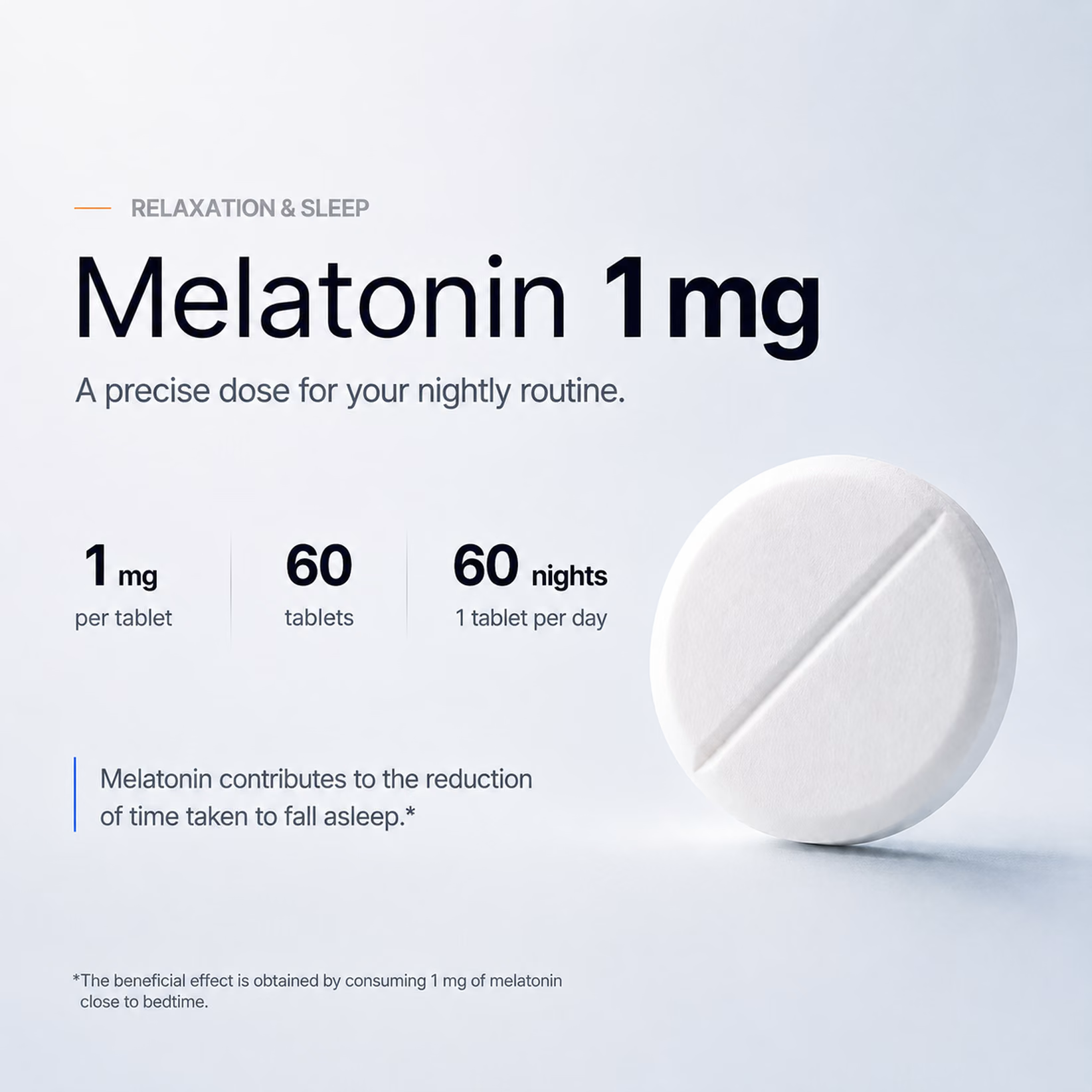
Melatonin may help reduce the time needed to fall asleep and improve sleep quality. However, its clinical value lies in regulating your biological clock: it helps synchronize the circadian rhythm for a natural and restorative sleep cycle. 16 17 18

 INSYGMA NUTRITION