12.99 €
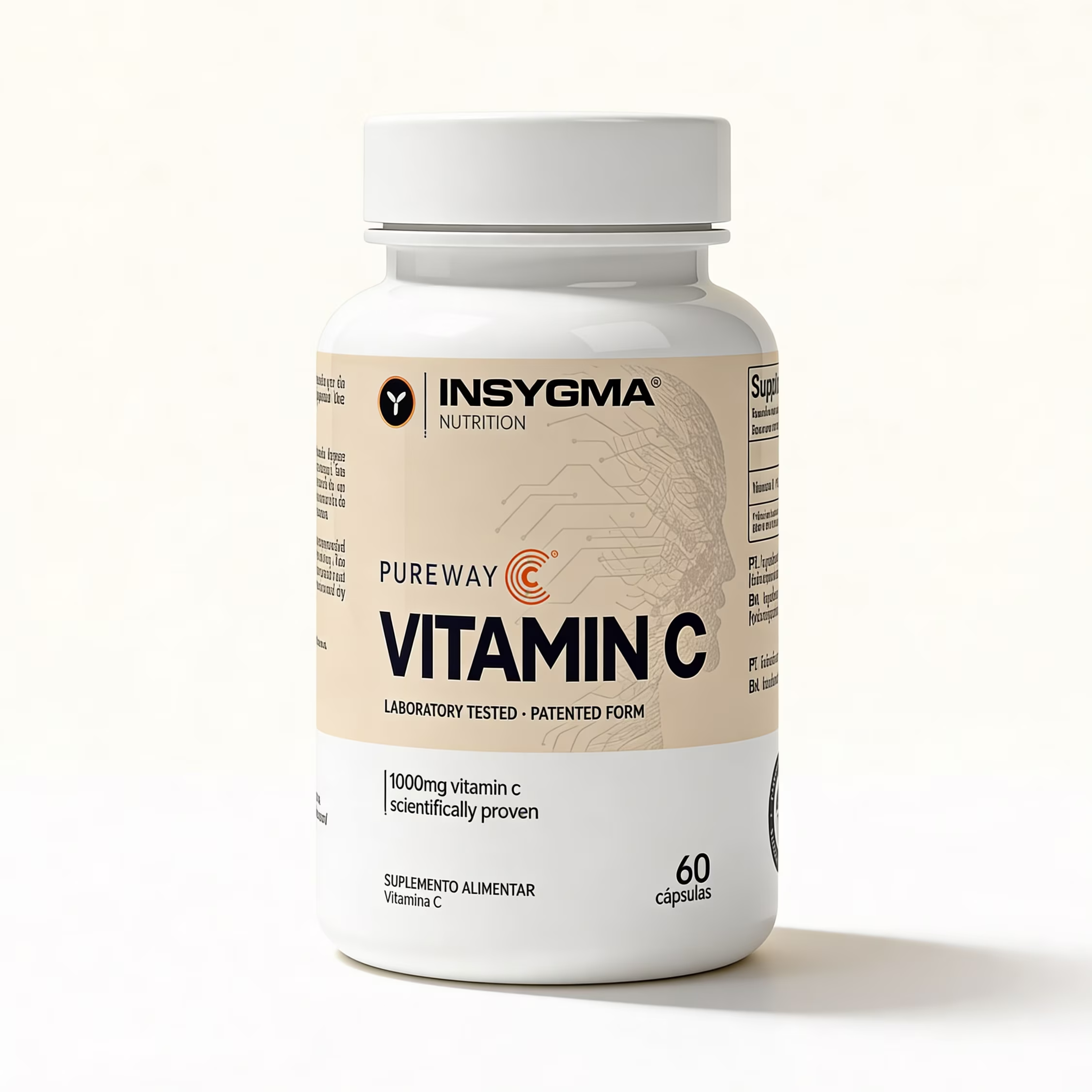
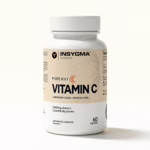
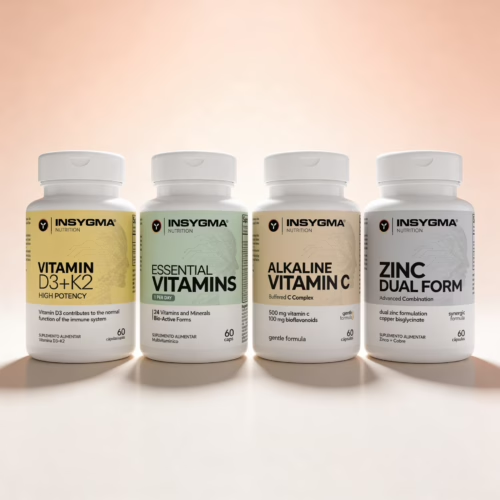
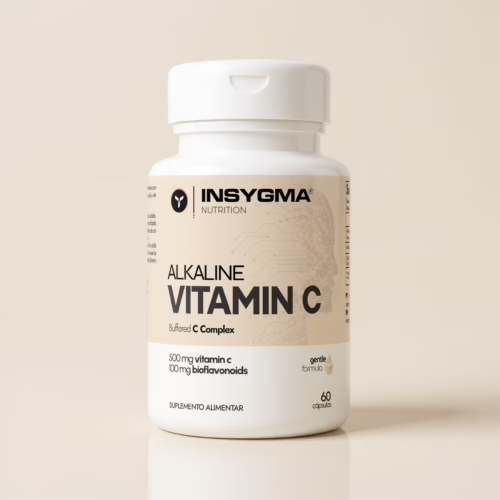
Advanced vitamin C formula with PureWay-C®, a premium form with citrus bioflavonoids and natural lipids. Developed to improve absorption, body retention, and cellular uptake, with high gastric tolerance and superior antioxidant support.
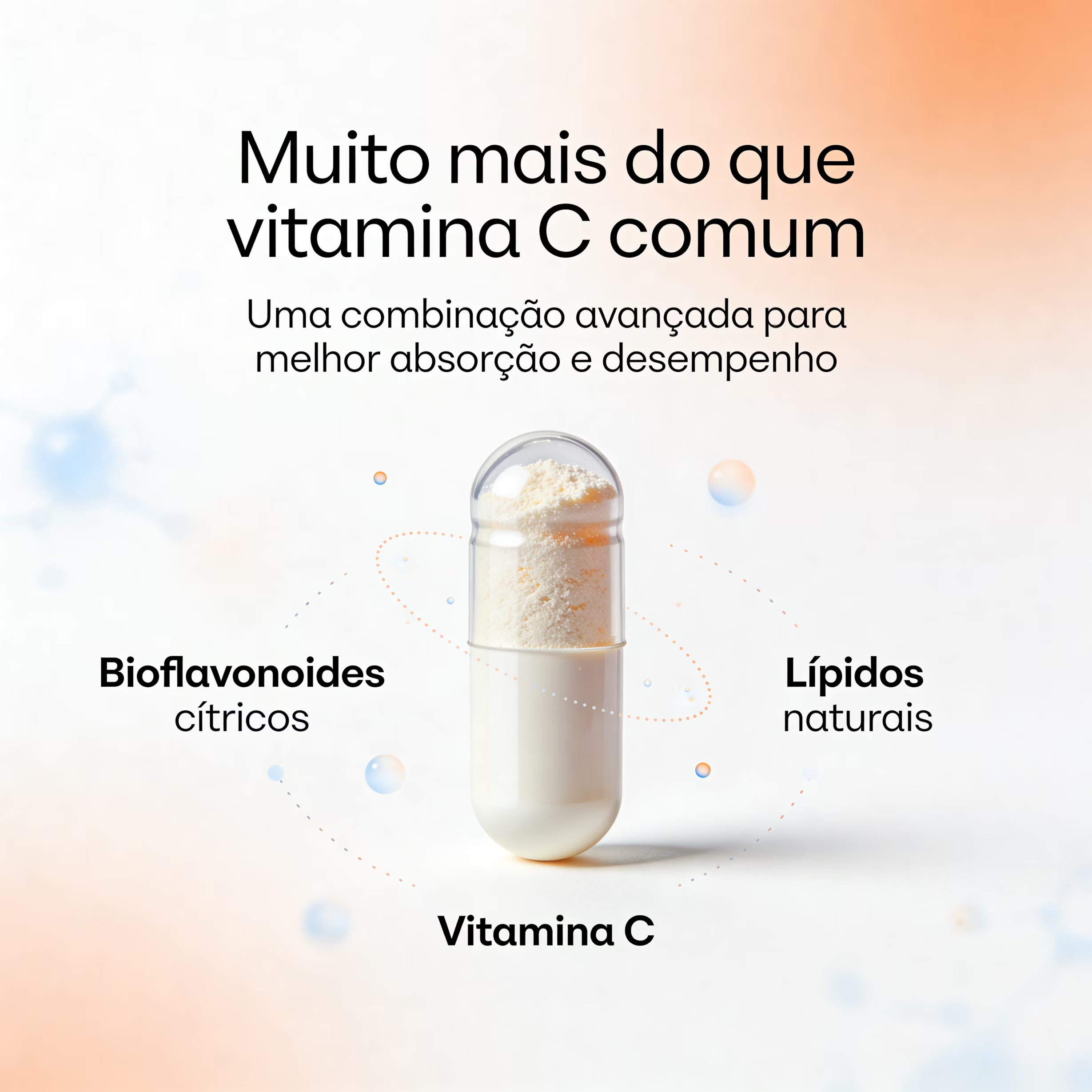
An advanced form of vitamin C with citrus bioflavonoids and natural lipids, developed to improve delivery, absorption, and cellular uptake.
Natural lipids act as carriers, helping vitamin C reach tissues and cells more efficiently.
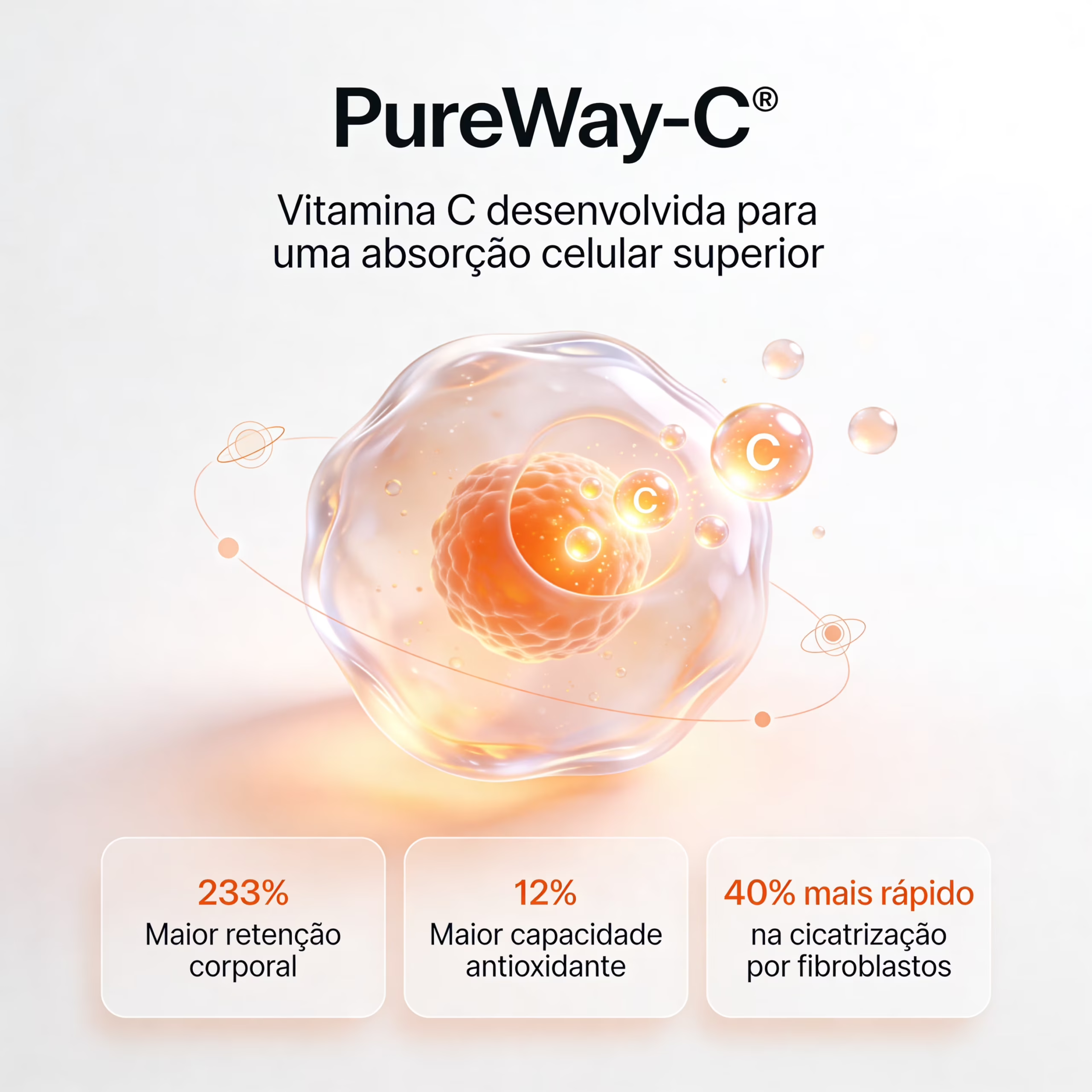
PureWay-C® demonstrated 12% greater antioxidant capacity and 11% greater free-radical-scavenging activity.
PureWay-C® demonstrated 233% greater body retention than other forms of vitamin C, maintaining higher serum levels over 24 hours.
Scientific References
1 Perez PP. Absorption rates and free radical scavenging values of vitamin C-lipid metabolites in human lymphoblastic cells. Med Sci Monit. 2007. 2 Pancorbo et al. Vitamin C-lipid metabolites: uptake and retention and effect on plasma C-reactive protein and oxidized LDL levels in healthy volunteers. Med Sci Monit. 2008. 3 Perez P. A novel vitamin C preparation enhances neurite formation and fibroblast adhesion and reduces xenobiotic-induced T-cell hyperactivation. Med Sci Monit. 2007.
PureWay-C® is not just ascorbic acid. It is a proprietary, scientifically studied form of vitamin C developed with natural lipids and citrus bioflavonoids to improve delivery, absorption, body retention, and cellular uptake.
Unlike regular vitamin C, PureWay-C® uses an advanced matrix with natural lipids, which act as carriers for ascorbic acid, helping to increase intestinal absorption, vascular distribution, and vitamin C uptake into cells.
In a clinical study of healthy volunteers, PureWay-C® reached higher serum vitamin C levels than ascorbic acid, calcium ascorbate, and Ester-C®.
The benefit does not begin with the amount consumed alone. It begins with how much the body can absorb, retain, and use.
Scientific support: Pancorbo et al. observed that PureWay-C® was absorbed more rapidly, reached higher serum levels, and produced a greater reduction in inflammatory and oxidative markers than other forms of vitamin C. PubMed
PureWay-C® demonstrated strong antioxidant activity and high free-radical-scavenging capacity, assessed using the ORAC and DPPH methods.
This is not just vitamin C “on the label.” It is a form studied for its actual ability to enter cells and exert antioxidant activity.
Scientific support: Weeks & Perez demonstrated that vitamin C-lipid metabolites were absorbed more rapidly by human H9 lymphoblastic cells and showed antioxidant and free-radical-scavenging activity. PubMed
In the study of healthy volunteers, PureWay-C® produced a greater reduction in C-reactive protein and oxidized LDL than the other forms of vitamin C tested.
Oxidized LDL and CRP are markers associated with oxidative stress and inflammation. This is where vitamin C goes beyond “immunity” and becomes measurable cellular protection.
Scientific support: The study by Pancorbo et al. reported a greater reduction in plasma CRP and oxidized LDL levels after supplementation with PureWay-C® than with ascorbic acid, calcium ascorbate, or Ester-C®. PubMed
A meta-analysis of 13 randomized clinical trials concluded that supplementation with at least 500 mg/day of vitamin C for a minimum of 4 weeks significantly reduced LDL cholesterol and triglycerides in people with hypercholesterolemia.
Across the studies analyzed, vitamin C reduced LDL by an average of 7.9 mg/dL and triglycerides by 20.1 mg/dL.
Scientific support: McRae analyzed 13 randomized clinical trials and concluded that vitamin C significantly reduced LDL and triglycerides, with no significant increase in HDL. PubMed
In a randomized, double-blind, placebo-controlled clinical trial involving people with type 2 diabetes, vitamin C supplementation combined with metformin significantly improved fasting blood glucose, post-meal blood glucose, and HbA1c after 12 weeks.
This result was observed in a specific population taking metformin. It should be interpreted as evidence of metabolic support, not as a universal promise.
Scientific support: Dakhale et al. observed that vitamin C combined with metformin increased plasma ascorbate levels and reduced fasting blood glucose, post-meal blood glucose, and HbA1c in people with type 2 diabetes. PubMed

Store in a cool, dry place away from light. Keep the container tightly closed to preserve the formula’s stability.
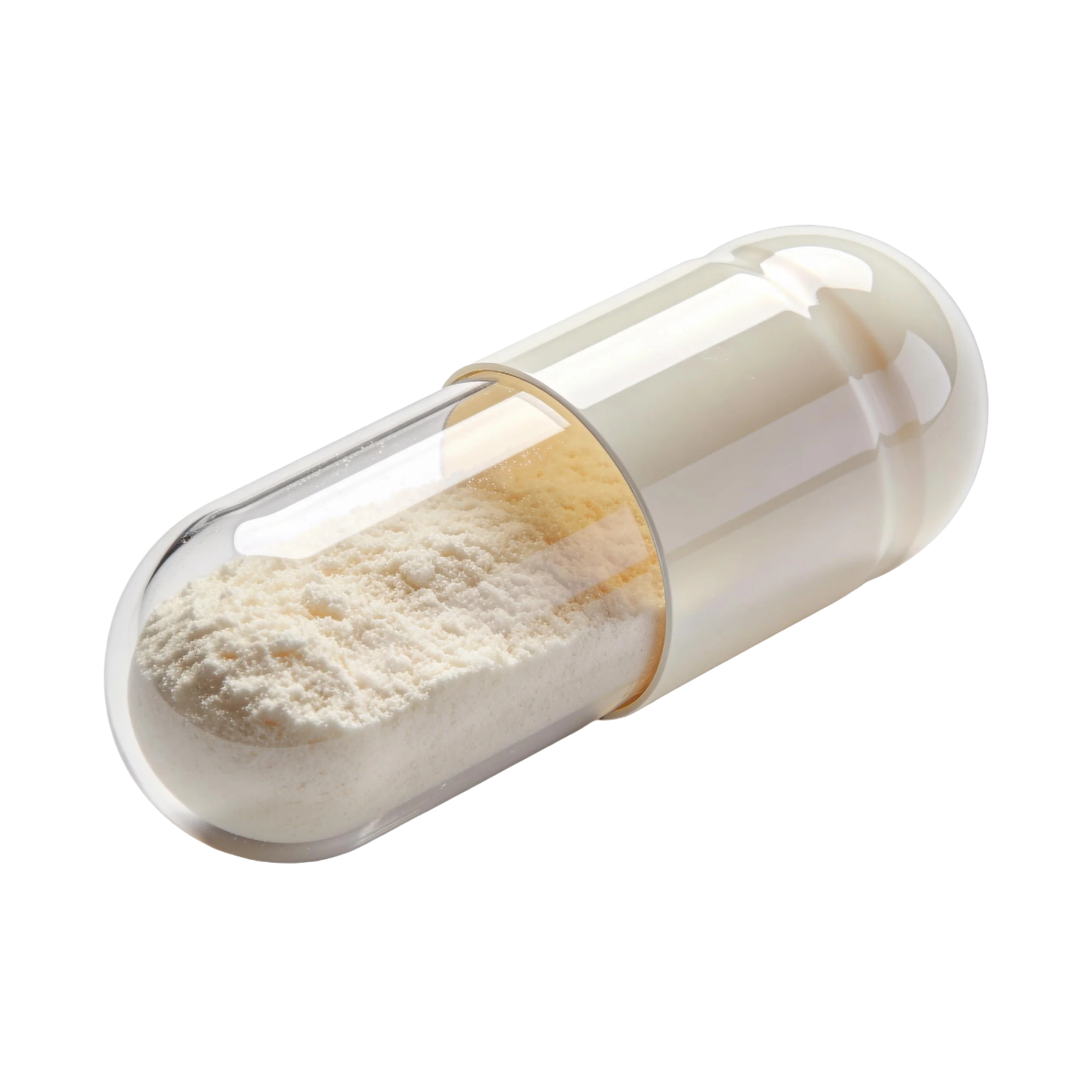
Vitamin C (PureWay-C®), hydroxypropyl methylcellulose (HPMC) capsule.
PureWay® Vitamin C
PureWay-C® is not just ascorbic acid. It is a proprietary, scientifically studied form of vitamin C developed with natural lipids and citrus bioflavonoids to improve delivery, absorption, body retention, and cellular uptake.
Unlike regular vitamin C, PureWay-C® uses an advanced matrix with natural lipids, which act as carriers for ascorbic acid, helping to increase intestinal absorption, vascular distribution, and vitamin C uptake into cells.
In a clinical study of healthy volunteers, PureWay-C® reached higher serum vitamin C levels than ascorbic acid, calcium ascorbate, and Ester-C®.
The benefit does not begin with the amount consumed alone. It begins with how much the body can absorb, retain, and use.
Scientific support: Pancorbo et al. observed that PureWay-C® was absorbed more rapidly, reached higher serum levels, and produced a greater reduction in inflammatory and oxidative markers than other forms of vitamin C. PubMed
PureWay-C® demonstrated strong antioxidant activity and high free-radical-scavenging capacity, assessed using the ORAC and DPPH methods.
This is not just vitamin C “on the label.” It is a form studied for its actual ability to enter cells and exert antioxidant activity.
Scientific support: Weeks & Perez demonstrated that vitamin C-lipid metabolites were absorbed more rapidly by human H9 lymphoblastic cells and showed antioxidant and free-radical-scavenging activity. PubMed
In the study of healthy volunteers, PureWay-C® produced a greater reduction in C-reactive protein and oxidized LDL than the other forms of vitamin C tested.
Oxidized LDL and CRP are markers associated with oxidative stress and inflammation. This is where vitamin C goes beyond “immunity” and becomes measurable cellular protection.
Scientific support: The study by Pancorbo et al. reported a greater reduction in plasma CRP and oxidized LDL levels after supplementation with PureWay-C® than with ascorbic acid, calcium ascorbate, or Ester-C®. PubMed
A meta-analysis of 13 randomized clinical trials concluded that supplementation with at least 500 mg/day of vitamin C for a minimum of 4 weeks significantly reduced LDL cholesterol and triglycerides in people with hypercholesterolemia.
Across the studies analyzed, vitamin C reduced LDL by an average of 7.9 mg/dL and triglycerides by 20.1 mg/dL.
Scientific support: McRae analyzed 13 randomized clinical trials and concluded that vitamin C significantly reduced LDL and triglycerides, with no significant increase in HDL. PubMed
In a randomized, double-blind, placebo-controlled clinical trial involving people with type 2 diabetes, vitamin C supplementation combined with metformin significantly improved fasting blood glucose, post-meal blood glucose, and HbA1c after 12 weeks.
This result was observed in a specific population taking metformin. It should be interpreted as evidence of metabolic support, not as a universal promise.
Scientific support: Dakhale et al. observed that vitamin C combined with metformin increased plasma ascorbate levels and reduced fasting blood glucose, post-meal blood glucose, and HbA1c in people with type 2 diabetes. PubMed

Store in a cool, dry place away from light. Keep the container tightly closed to preserve the formula’s stability.
Vitamin C (PureWay-C®), hydroxypropyl methylcellulose (HPMC) capsule.
PureWay® Vitamin C
I recommend this vitamin C
much cheaper than elsewhere
I recommend this vitamin C
much cheaper than elsewhere