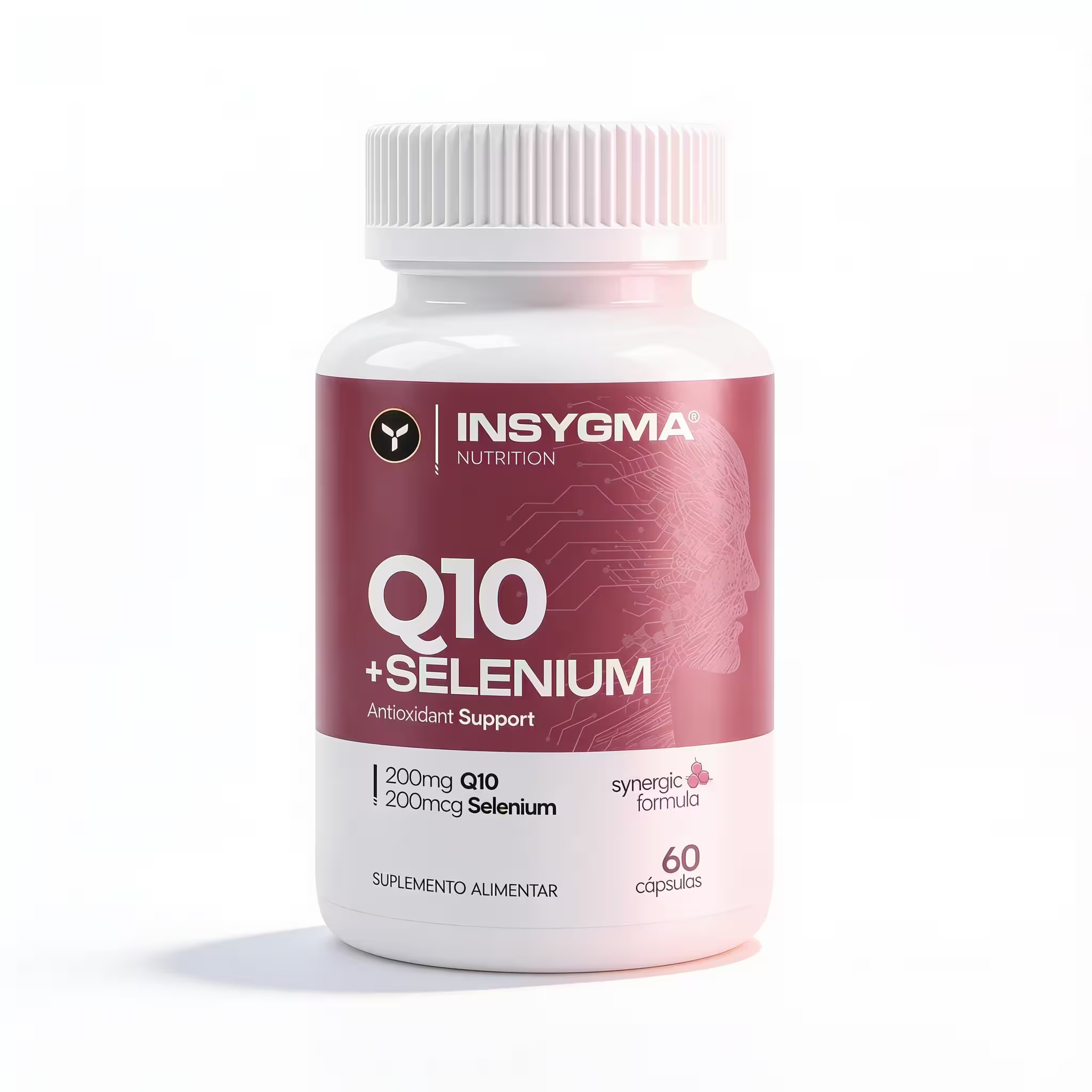
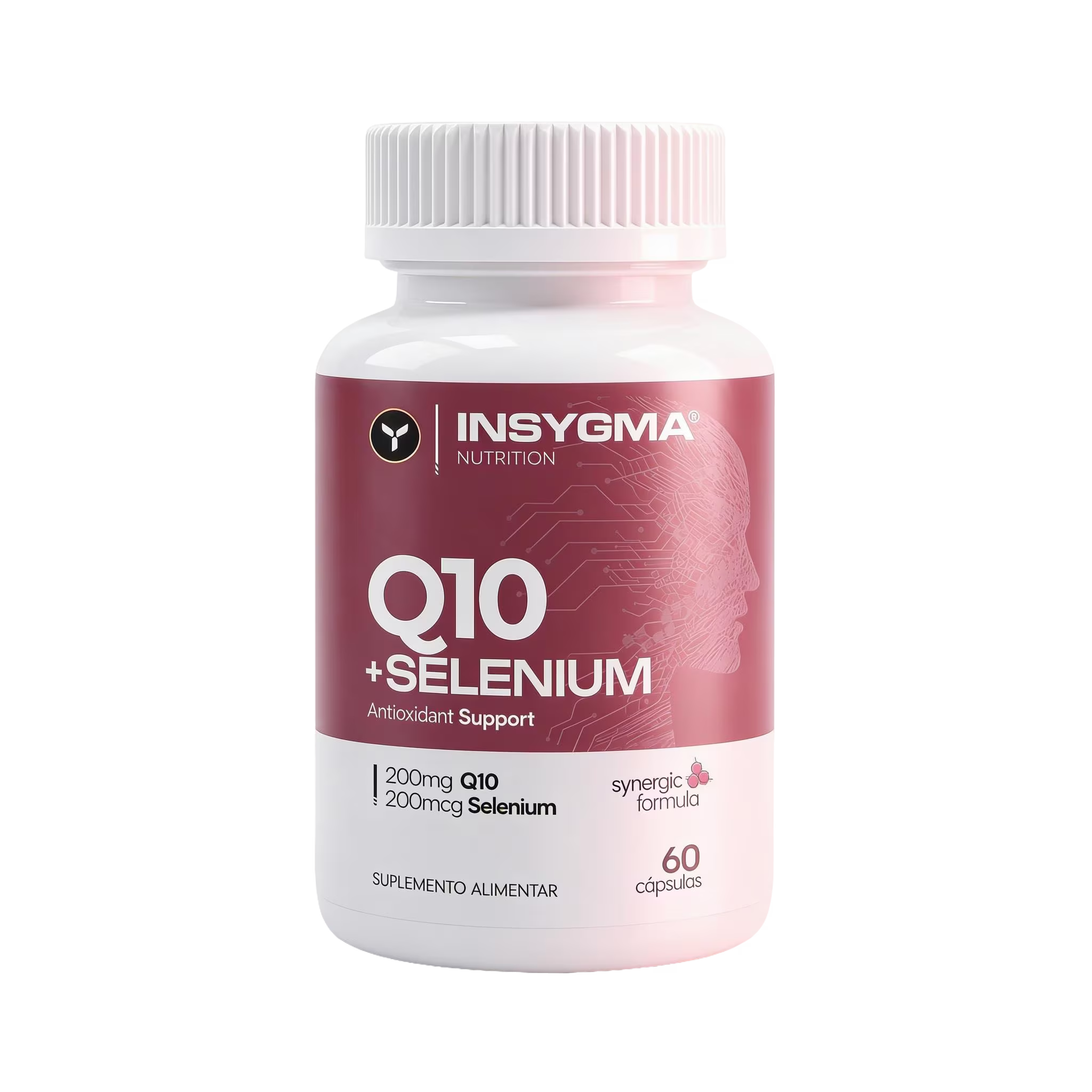
Q10 + Selenium combines 200 mg of Coenzyme Q10, 200 mcg of Selenium and micronized MCT to support cellular energy, antioxidant protection and improved Q10 bioavailability.
From age 40, Q10 production declines. And the heart — the tissue with the most mitochondria in the body — is the first to feel it. We restore the coenzyme in a form that is better absorbed and add the selenium that keeps it active. Energy where it matters most.
Coenzyme Q10 is essential in helping the body produce cellular energy. It is especially important in tissues with high energy demands, such as the heart, muscles, and brain. But as the years go by, the body’s natural production of Q10 tends to decline. The result is simple: cells may have less support for producing energy efficiently, precisely at a stage when maintaining vitality, endurance, and cellular function becomes even more important.
Illustrative values for the decline described in the literature (Kalén et al., 1989). The rate varies between individuals.
Q10 only works as an antioxidant in its reduced form: ubiquinol. The enzyme that regenerates this form, thioredoxin reductase, depends on selenium. When selenium levels are low — as is common in Europe — Q10 cannot be used to its full potential. That is why we provide both, not just one.
Q10 helps cells produce energy efficiently. It is important in the tissues that consume the most energy, such as the heart, muscles, and brain.
The heart works nonstop and needs constant energy. Q10 has been studied specifically for its role in the energy function of heart cells.
In addition to supporting energy production, Q10 helps protect cells against oxidative stress, one of the processes associated with cellular aging.
Reduces markers of chronic inflammation in meta-analyses of placebo-controlled trials.
Selenium contributes to protecting cells from oxidative stress and works synergistically with Q10.
Natural Q10 production declines with age. Supporting Q10 levels makes sense during periods of greater demand and fatigue.
As you age, your body produces less and less Q10. The heart and muscles — major energy consumers — are the first to notice the difference.
We provide Q10 solubilized in micronized MCT — a medium-chain fat that acts as a carrier for fat-soluble Q10. The result: 3 to 6× greater absorption than crystalline powder, with less waste.
Selenium supports the enzyme that converts Q10 into its useful form, ubiquinol. Without it, half the job is left undone.
Q10 is one of the few supplements supported by hard-endpoint trials. We show you the numbers — and the exact context in which they were obtained.
Older adults with low selenium levels, 4 years of Q10 + selenium. The effect persisted at the 10–12-year follow-up.
Consistent meta-analyses: reductions in CRP, IL-6, TNF-α, and lipid peroxidation (MDA) versus placebo.
*The most marked cardiovascular benefits were observed in specific populations — older adults, people with heart failure, and/or those with low selenium status (common in Europe). They do not represent a promise of individual results. Studies are referenced below.
Daily serving. No artificial colors, no unnecessary fillers, and no ingredients included just to pad the label. The formulation used in the trials, designed for absorption.
Batch-specific certificate of analysis, accessible via the QR code on the label.
Manufactured under a recognized food-safety certification.
No animal-derived ingredients or major allergens.
Traceable production chain, compliant with European standards.
Direct answers, no beating around the bush. If you still have questions, let’s talk.
Because Q10 only functions as an antioxidant in its reduced form (ubiquinol), and the enzyme that regenerates it depends on selenium. When selenium levels are low — which is common in Europe — Q10 alone cannot be used to its full potential. This combination was also used in the reference trials.
We use ubiquinone solubilized in micronized MCT, a highly absorbable form. The body converts it into ubiquinol — and selenium supports that very conversion. This was the approach used in the main clinical trials.
Endogenous production begins to decline after age 20 and becomes more noticeable after 40. People who train, have higher energy demands, or take statins (which reduce Q10) may benefit earlier.
One daily serving, preferably with a meal containing fat — Q10 is fat-soluble and is better absorbed this way. Consistency over the weeks is what matters most.
Q10 is well tolerated in most cases. However, if you take anticoagulants or blood pressure medication, or have a heart condition, check with your doctor before starting. It is not a substitute for medical treatment.
Choose your plan. Formulated without allergens, 100% vegan, and laboratory tested.
Zero Risk: Buy with confidence.
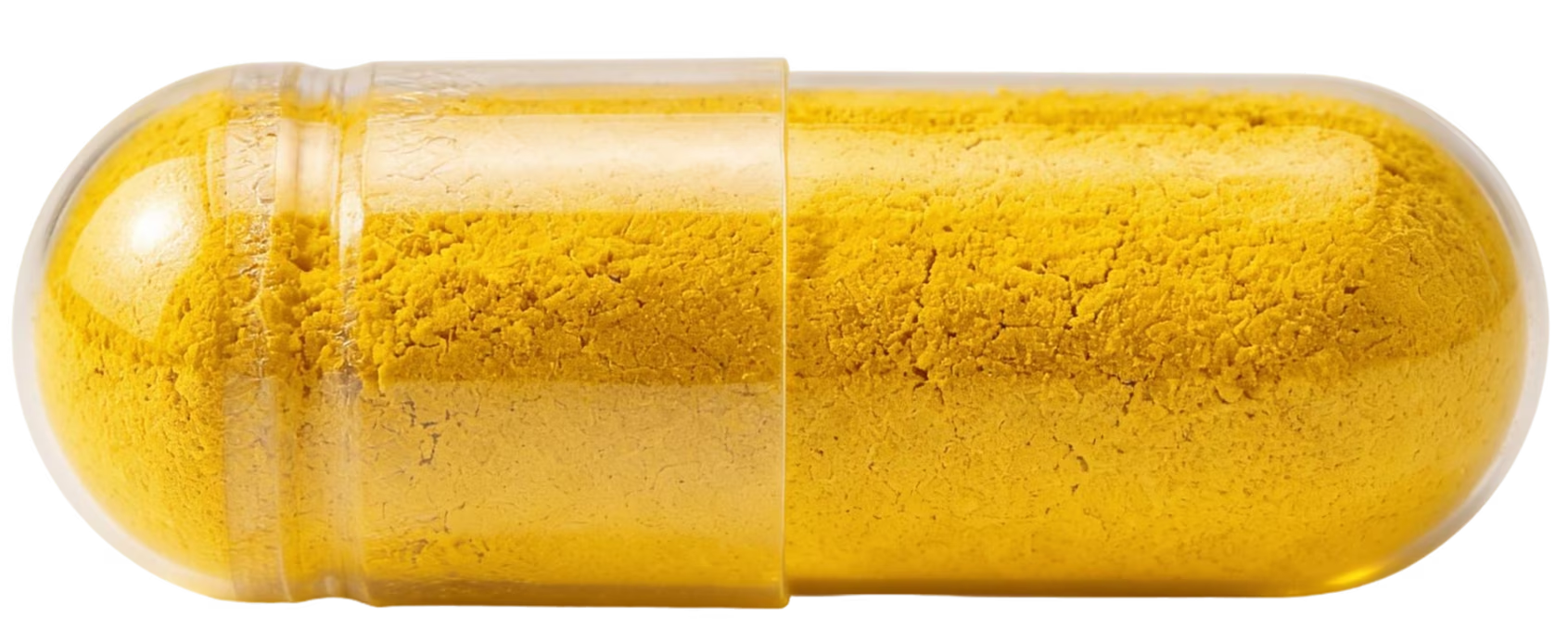
Microencapsulated MCT [medium-chain triglyceride oil, gum arabic, emulsifier (mono- and diglycerides of fatty acids)], Coenzyme Q10 (ubiquinone), vegetable capsule (hydroxypropyl methylcellulose), bulking agent (microcrystalline cellulose), anti-caking agent (magnesium stearate), L-selenomethionine.
Coenzyme Q10 + Selenium
Sorry, no reviews match your current selections
Microencapsulated MCT [medium-chain triglyceride oil, gum arabic, emulsifier (mono- and diglycerides of fatty acids)], Coenzyme Q10 (ubiquinone), vegetable capsule (hydroxypropyl methylcellulose), bulking agent (microcrystalline cellulose), anti-caking agent (magnesium stearate), L-selenomethionine.
Coenzyme Q10 + Selenium
Sorry, no reviews match your current selections