Why Our Dual-Form Zinc Is Superior
Many zinc supplements can raise blood levels, but this does not guarantee effective delivery to tissues.
Under metabolic stress, inflammation, or excess weight, the body’s natural zinc transporters may fail, leading to functional deficiency even when blood tests appear “normal.” 1 2
METABOLIC ENGINEERING
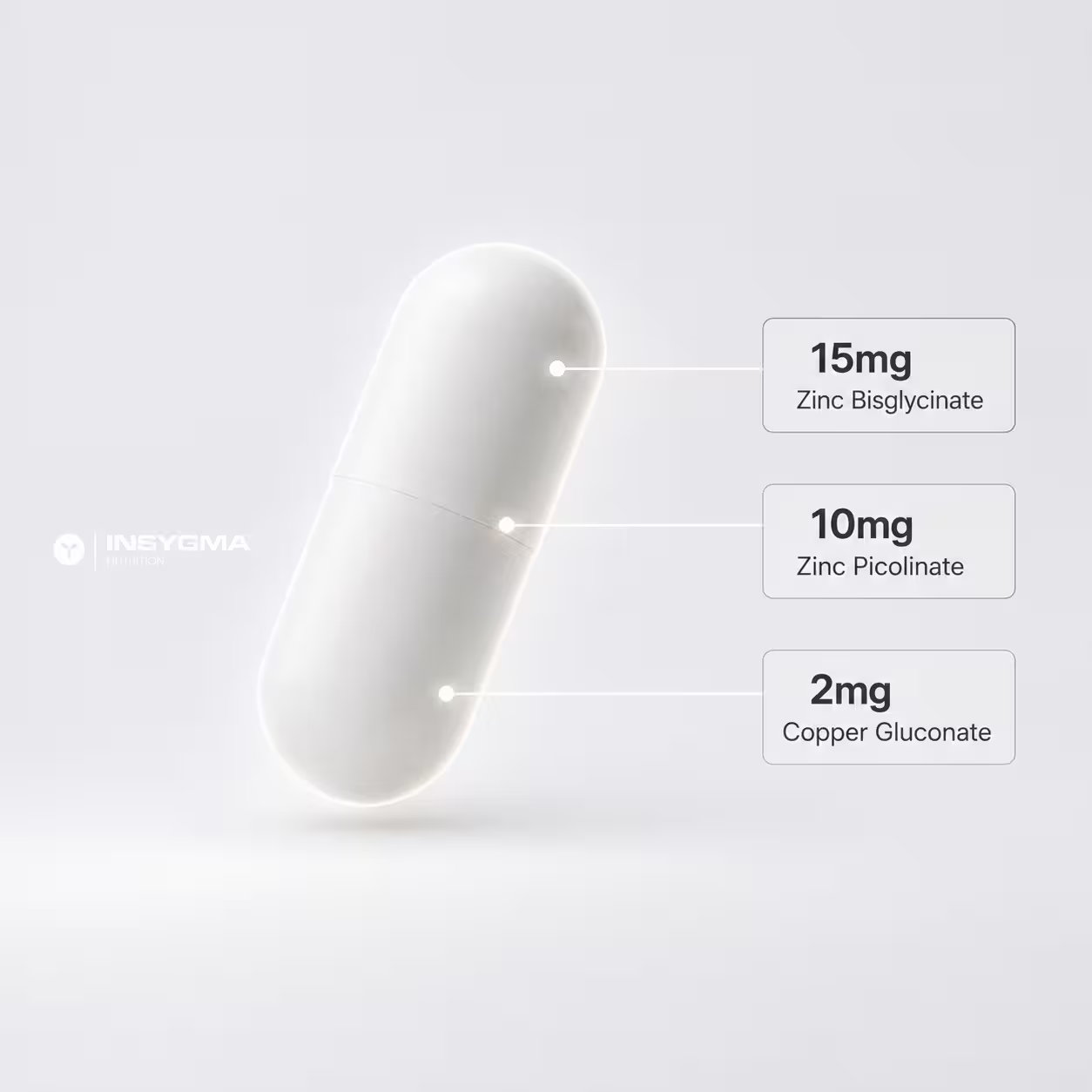
INSYGMA created the Dual-Form formula (15 mg Bisglycinate + 10 mg Picolinate) to optimize the full cycle:
rapid absorption → transport → tissue retention → cellular delivery.
It’s not just zinc. It’s Metabolic Engineering.
1. Fast Phase — Bisglycinate (15 mg)
ABSORPTION
The most efficient form for raising plasma zinc quickly and consistently.
Mechanism: Uses the fast amino acid pathways (PEPT1/2), avoiding competition with iron or calcium.
3
Function: Increases plasma zinc and provides immediate immune support with excellent tolerability.
4 5 6
2. Deep Delivery — Picolinate (10 mg)
RETENTION
The most effective form for optimizing tissue distribution and intracellular retention.
Mechanism: Thanks to its lipophilic structure, it crosses cell membranes and reaches hard-to-access tissues (bones, pancreas, and immune cells).
7 8
Function: Increases intracellular zinc and bypasses impaired transport in inflammatory states.
9 10
The Danger of Supplementing Zinc Without Copper
Most people think that taking zinc is always safe. But there is one biological detail almost nobody knows: the body does not use zinc alone. It uses Zinc + Copper, always. 12
CRITICAL RATIO
When you take zinc on its own, you disrupt one of the most important metabolic markers in human biology: the Copper/Zinc ratio.
“The Copper/Zinc ratio is a key biomarker of inflammation, oxidative stress, and immunity.” 13
The Real Risk: Prospective studies also indicate that an imbalanced Copper/Zinc ratio is a risk marker for all-cause mortality. 14
Yes, that is correct: changing the balance between Zinc and Copper, even within “normal” ranges, changes the long-term risk of inflammation and poor metabolic health. 15
Benefits of Zinc Supplementation
01
Supports Glycemic Control
The evidence here is very strong: zinc measurably improves blood glucose control. Meta-analyses of clinical trials show average reductions of −8.6 mg/dL in fasting blood glucose, −18 mg/dL in postprandial blood glucose, −0.54 points in HOMA-IR, and reductions in HbA1c among individuals with insulin resistance and obesity. 15 These studies consistently validate zinc as a powerful and measurable tool for metabolic stability. 16 17 18
02
Immune Support
Zinc is one of the few nutrients with truly consistent immune effects. Meta-analyses show clear improvements in immune response, including an increase in CD4 cells: T cells that are essential for coordinating the body’s defenses. 19 In adults, zinc shortens the duration of respiratory viral infections by 1.6 to 2.6 days, with classic studies showing reductions of 45% in symptom duration. 20 21
03
Supports Mood
Zinc supplementation shows real benefits for mood. In a clinical trial of 150 older adults, 30 mg/day significantly reduced depression and anxiety scores in 70 days. 22 Systematic reviews confirm that zinc improves response to treatment when used with antidepressants. 23 Population studies also show a reduction of 34% in the risk of depression among those with a higher zinc intake. 23
04
Supports Vascular Health
Evidence consistently links zinc to blood pressure regulation. In a study of healthy adults, zinc deficiency was identified as an independent risk factor for prehypertension, increasing the risk by 4.6 times even after adjustment for other metabolic markers. Maintaining adequate zinc levels may therefore play an important role in blood pressure control from the earliest stages. 24
05
Helps Fight Inflammation
Clinical evidence shows that zinc measurably reduces systemic inflammation. The latest meta-analysis (21 RCTs, 1,321 adults) demonstrates significant reductions in CRP, TNF-α, and the oxidative marker MDA. 25 In individuals with obesity, 30 mg/day reduced hs-CRP and apelin, both of which are linked to metabolic inflammation. 26 These effects reinforce the role of zinc as an effective modulator of the inflammatory response. 27

 INSYGMA NUTRITION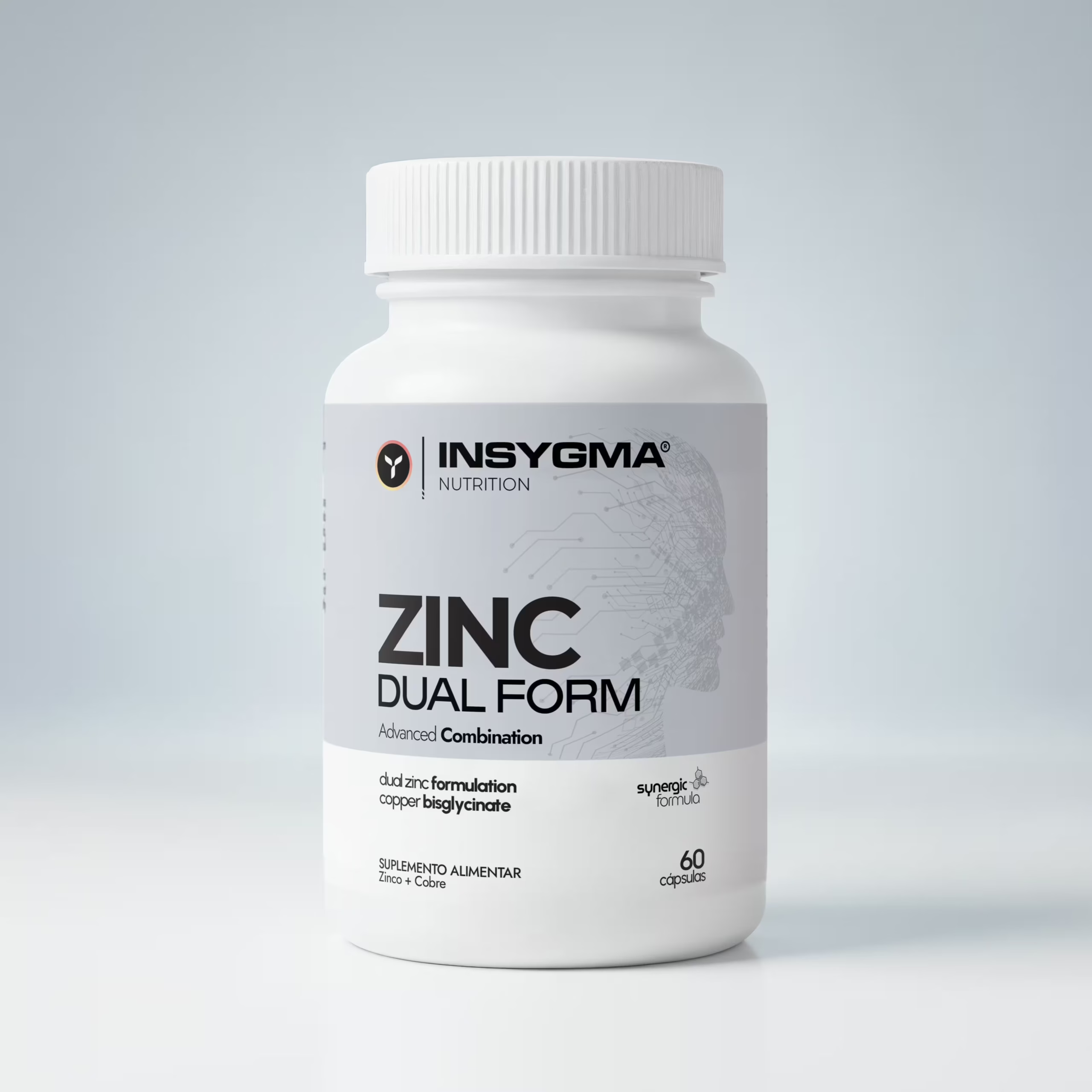




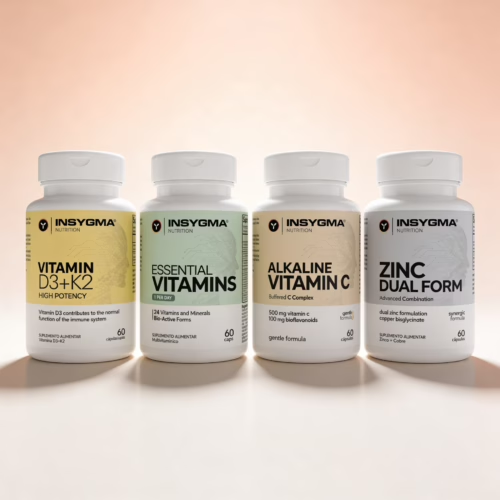
I’m trying it now. I’m glad they added copper; it is essential when taking zinc.
Good formulation. I’ll be following the brand more closely.